
Get Healthy!
- Posted February 11, 2026
FDA Reviews Safety of Food Preservative BHA Over Cancer Concerns
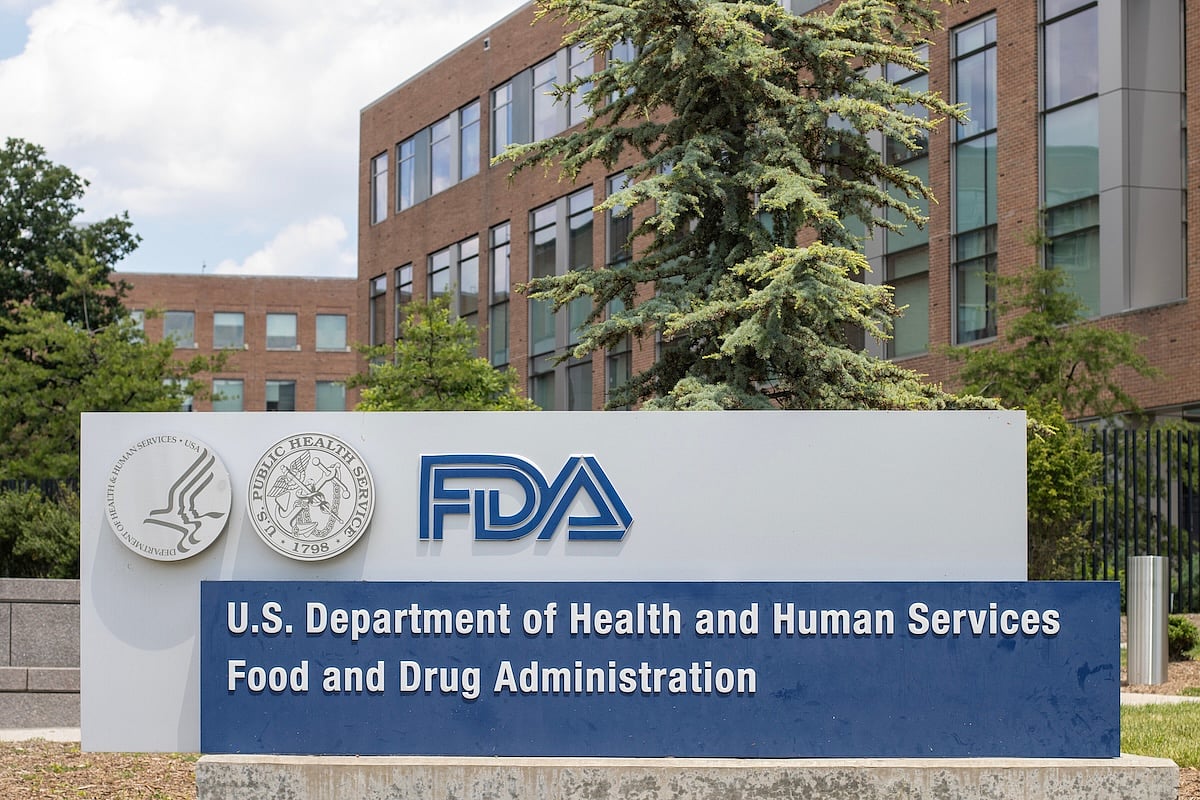
The U.S. Food and Drug Administration (FDA) is taking a fresh look at the safety of a chemical preservative found in many packaged foods.
The agency announced it has launched a full review to decide whether butylated hydroxyanisole, or BHA, is still safe to use in food and food packaging based on the latest science.
As part of that process, the FDA is asking the public to submit new information about how BHA is used and its safety.
The move is part of a larger effort by the FDA to more closely review chemicals already in the food supply.
In May 2025, the agency launched a new program to reassess food additives, and BHA was named one of its top priorities.
“BHA has remained in the food supply for decades despite being identified by the National Toxicology Program as ‘reasonably anticipated to be a human carcinogen’ based on animal studies,” U.S. Department of Health and Human Services Secretary Robert F. Kennedy Jr., said.
“This reassessment marks the end of the ‘trust us’ era in food safety," Kennedy added. "If BHA cannot meet today’s gold-standard science for its current uses, we will remove it from the food supply and continue cleaning up food chemicals -- starting where children face the greatest exposure.”
BHA was first listed as “generally recognized as safe” (GRAS) in 1958 and approved as a food additive in 1961.
It is mainly used to prevent fats and oils from spoiling and can be found in foods such as frozen meals, breakfast cereals, cookies, candy, ice cream and some meat products, the FDA says.
While its use has declined in recent years, BHA is still present in many foods, including products marketed to children.
"We are taking decisive action to ensure that chemicals in our food supply are not causing harm," FDA Commissioner Dr. Marty Makary said.
"The scientific community has raised significant concerns about some chemicals currently in the food supply," he added. "Once we complete our assessment of BHA, we expect to conduct similar assessments for butylated hydroxytoluene, a synthetic preservative known as BHT, and azodicarbonamide -- a chemical used in yoga mats and also used as a dough conditioner.”
Health advocates have raised concerns about BHA for years. The National Institutes of Health’s National Toxicology Program lists it as “reasonably anticipated to be a human carcinogen” based on animal studies.
The FDA said the new review is part of its push for stronger oversight and more transparency in the food supply.
The agency is also working to reform how GRAS decisions are made, which could bring more chemicals under review.
More information
The National Institutes of Health has more on butylated hydroxyanisole.
SOURCE: U.S. Food and Drug Administration, news release, Feb. 10, 2026